Every product director knows the pressure of a commercial growth target. A senior stakeholder spots a gap in the market, a steering committee approves an outline business case, and within weeks an engineering squad is spun up to start building a minimum viable product. Six months and hundreds of thousands of pounds later, the product launches to lukewarm adoption, sluggish sales cycles, and a backlog of costly rework.
No methodology can guarantee 100 percent commercial certainty before launch, because markets shift and competitors react. What you can do, however, is prove whether real customers understand, value, and want to buy your proposition before a single line of production code is written.
When teams skip early validation, they rarely fail because the software is poorly engineered. They fail because the underlying proposition was never tested against actual customer behaviour. Research from CB Insights into why new digital ventures fail found that 42 percent collapsed simply because there was no market need for what they built.
Why Traditional Business Cases Fail New Digital Products
In many UK organisations, the path from initial idea to engineering sprint relies heavily on internal persuasion. A commercial lead writes a strategy paper, finance models projected revenue in a spreadsheet, and product teams are handed a feature list to deliver against a fixed quarter.
The problem with this approach is that spreadsheets and slide decks make every idea look plausible. They hide the friction points that stop real buyers from switching providers or changing daily habits.
- Assumptions Disguised as Requirements: Internal teams spend months debating edge cases and technical architecture before anyone has confirmed whether target customers recognise the problem being solved.
- Stakeholder Alignment on Paper Only: Risk, compliance, commercial, and technology leads often sign off on a written brief while holding completely different mental pictures of what the finished product will actually do.
- Premature Engineering Lock-In: Once developers start building database schemas and backend integrations, changing direction becomes slow and politically difficult, even when early feedback signals trouble.
- Over-Scoped First Releases: Without evidence of what customers genuinely value, teams pad the initial release with secondary features to feel safe, delaying launch and inflating build costs.
What Is Proposition Design in Digital Product Development?
Proposition design is the structured process of shaping, prototyping, and stress-testing a new product concept with target users before committing to full technical development. Rather than treating user experience as something that happens after the commercial strategy is fixed, it uses user research and interactive design to test the commercial viability of the idea itself.
Understanding the difference between pitching a concept on paper and validating a proposition in practice clarifies why early evidence changes investment decisions:
Traditional Slide-Deck Pitch
- Basis for Sign-Off: Internal commercial assumptions, market sizing estimates, and static presentation decks.
- Risk Exposure: High capital commitment upfront before any real customer has interacted with the product concept.
- Stakeholder Alignment: Abstract written requirements that leave room for conflicting interpretations across departments.
- Engineering Impact: Developers spend early sprints building features that may need heavy refactoring once users see them.
- Time to Market Reality: Teams often wait six to nine months until MVP launch to discover whether the core value proposition resonates.
Validated Proposition Design
- Basis for Sign-Off: Behavioural evidence, recorded user testing sessions, and validated willingness to adopt.
- Risk Exposure: Low initial outlay focused on rapid discovery and prototyping before engineering capacity is allocated.
- Stakeholder Alignment: A tangible, clickable prototype that risk, compliance, and executive teams can inspect and agree on early.
- Engineering Impact: Squads start their first sprint with validated user flows, clear scope boundaries, and tested priorities.
- Time to Market Reality: Commercial viability is tested with real buyers in weeks rather than months.
How to Validate a New Product Proposition in Four Practical Steps
When your in-house UX and engineering teams are already stretched maintaining core platforms, running disciplined discovery can feel difficult to resource. Breaking proposition validation into a focused, four-stage sprint gives leadership clear evidence without stalling existing delivery.
1. Ground the Idea in Customer and Market Reality
Start by testing the problem, not your proposed solution. Structured qualitative interviews and targeted quantitative research reveal how prospective customers currently solve the task, what workarounds they tolerate, and what would actually persuade them to switch. If your team lacks direct access to target buyers, a dedicated user research partner can manage participant recruitment and screening so you hear from genuine decision-makers rather than friendly internal contacts.
2. Run Focused Concept Sprints to Shape the Value Proposition
Once you understand the real customer friction, bring commercial, product, and design leads together in short concept workshops. The goal here is to translate commercial targets into clear user outcomes and strip away unnecessary complexity. You want a crisp answer to three questions: who is this for, what specific job does it do better than existing alternatives, and how will a user experience that value within their first few minutes?
3. Build High-Fidelity Interactive Prototypes in Days
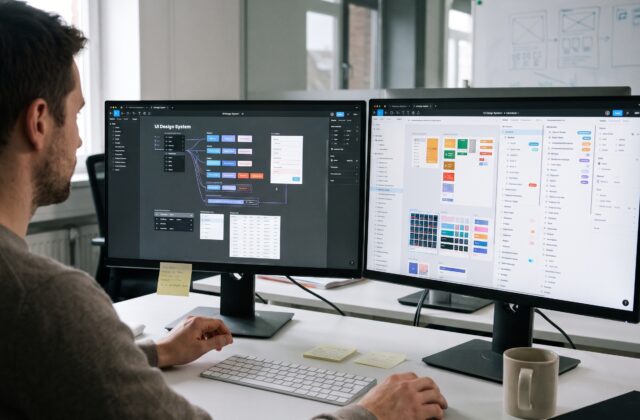
Abstract requirements rarely convince a cautious board or compliance committee. Turning your strongest concept into a realistic, interactive prototype allows stakeholders and customers to click through realistic journeys without touching your production codebase. Modern prototyping tools let experienced product designers create lifelike experiences in days, making it easy to test different pricing tiers, onboarding flows, and core workflows side by side.
4. Stress-Test with Real Buyers Before Writing Production Code
Put the interactive prototype in front of target users and observe what they actually do, not just what they say they like. Watch where they hesitate, which terms confuse them, and which capabilities they ignore. Iterate the prototype across two or three short testing rounds until desirability and usability are proven.
We saw the commercial impact of this evidence-led approach when working with Barnett Waddingham on their Choice 4Me platform. By redesigning the proposition and user journey around clear customer needs and validating the experience thoroughly, their new business win conversion rate rose to around 90 percent.
When Should You Validate Before Building?
Not every minor feature update needs a full proposition sprint. However, you should always validate before committing engineering budget when:
- Entering a New Market Segment: Existing customer intuition rarely transfers cleanly to a new buyer persona or industry vertical.
- Launching a Standalone Commercial Product: When a new offering carries its own revenue target or pricing model, commercial appetite needs proof before build begins.
- Replacing a Legacy Service or Manual Process: Moving complex offline or spreadsheet-driven workflows online requires testing whether customers trust the digital journey.
- Seeking Significant Boardroom Capital: If you need executive sign-off for a multi-quarter new product design programme, recorded customer validation gives finance and leadership concrete proof of demand.
Once a proposition is validated and enters active delivery, maintaining momentum means keeping user feedback close to your squads through ongoing Research Ops, ensuring the product continues to evolve around real customer behaviour.
Test Your Next Proposition Before You Build
If you are scoping a new digital product or trying to build a stronger business case for executive sign-off, validating the proposition early protects your engineering budget and accelerates time to market. Explore how our Proposition Design service helps product leaders turn early concepts into tested, boardroom-ready propositions, or book a complimentary Light Briefing directly with one of our lead product strategists to discuss your roadmap.